Metal Traditions

From a passing conversation with Chris, who mentioned that in Italy the groom is given a small iron token to carry on his wedding day, I discovered a lovely tradition I had never heard of before.

A quick google revealed that it was, indeed, correct. What a lovely idea, a small iron token carried on the most special day.

Iron has long been recognised as a symbol of strength and durability, and in ancient folklore the token was tucked into the groom’s suit pocket to ward off evil spirits and protect against bad luck. The tradition is still practised today and, let’s face it, you can never be too careful!

In addition to this, the couple remove all other gold jewellery other than the wedding rings.

Being a blacksmith and working with metals every day this got us thinking about all the other little traditions and rituals involving metals that we knew of. When you put your mind to it you can think of quite a few!

Here are some of our favourites — some rooted in folklore and legend, some traditions we still practise today, some we would never dream of trying ourselves, and others we had never heard of until now. ….

Molybdomancy 

A beloved New Year tradition practised in many countries including Bulgaria, Latvia, Switzerland, Finland, Latvia and Germany.

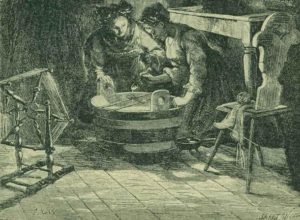
Molybdomancy is the practice of dropping molten tin or iron into very cold water, with the resulting shape believed to foretell a prophecy for the year ahead. For example, if the resulting shape was a ball this predicted good luck and good fortune or if the metal was in a boat shape this predicted travel or adventure on the horizon.

Today instead of using iron/tin,  wax or woods metal is used for this tradition. With special casting kits widely available.

Protecting babies with iron.

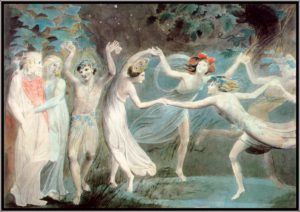
In Celtic folklore, newborn babies were often surrounded by iron as a form of protection against evil spirits and fairies. Unlike the whimsical and benevolent creatures of modern popular culture, fairies in traditional folklore were considered powerful, unpredictable beings with an alien sense of morality. They were especially feared for abducting human infants and leaving magical substitutes, known as changelings, in their place.

Iron was believed to be one of the few substances that fairies could not tolerate. To safeguard a child, families commonly placed small iron objects in or around the cradle. Nails, keys, horseshoes, and even open scissors were thought to ward off supernatural threats and keep the baby safe from harm.

Needless to say, this is not a practice that continues today, for obvious safety reasons.

Blessing new babies with silver. 

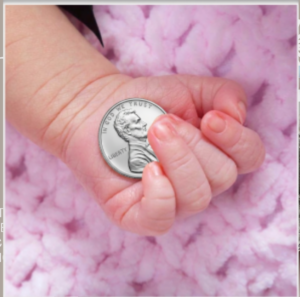
Blessing a newborn baby with silver is a tradition that is still practised today. Giving a silver coin to a new baby is believed to bring health and prosperity, as in medieval times silver was thought to possess protective and healing properties.

It is also why so many christening and new baby keepsake gifts are made from silver or silver-coloured materials.

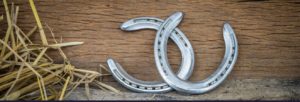
The ‘Good Luck’ Horseshoe.

Another very common and widely recognised tradition is the hanging of an iron horseshoe at the entrance to a home. It is believed to repel evil and bring good luck.

However, there are two schools of thought when it comes to the correct way to hang the horseshoe.

If the horseshoe is hung upright, with the ends facing upwards, it is said to “catch” good luck and hold it there, ensuring the luck never runs out.

Alternatively, if the horseshoe is hung with the ends facing downwards, it is believed that good fortune pours out onto the people who pass beneath it.

Wishing well.

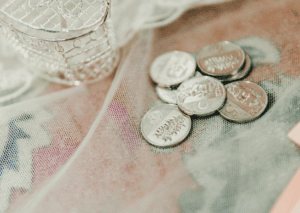
Another well-loved and well used tradition still practised today is throwing a coin into a water fountain or wishing well. This custom originated as an offering of metal to water spirits in the hope of securing good luck or having wishes granted.

Today, many of the coins collected from fountains are retrieved, cleaned, dried, and donated to local charities, which is a wonderful continuation of the tradition.

New Purse?

Have you ever been gifted a new purse or bag and discovered a silver coin tucked inside?

There is a long-standing tradition of placing a silver coin into a purse when giving it as a gift. It is believed to ensure the purse is never empty, while also attracting wealth and prosperity..

First Footing – New Years Eve

In the tradition of first footing, a dark-haired man would leave through the back door and re-enter through the front door at the stroke of midnight, carrying symbolic tokens, one of which was a silver coin believed to ensure good fortune and prosperity.

Anniversary Gifts

With all of this tradition and symbolism around metals it is not surprising that so many metals are used as symbols to celebrate wedding anniversaries.

6th Iron
7th Copper
8th Bronze
9th Copper
10th Aluminium
11th Steel
19th Bronze
20th Platinum
21st Brass
22nd Copper
25th Silver
50th Gold

Whether still practised today or preserved as folklore from times gone by, metals hold a powerful and symbolic place in our history.

Which of these traditions have you heard of? Maybe you have a unique tradition in your family?

We would love to hear about them.

If you have a special gift to purchase or a milestone celebration to mark, we would love to hear from you. Get in touch—we would be delighted to help.